
Eco-Friendly Home Guide
5 First Steps to an Eco-Friendly Home
That actually make a difference—small, practical changes you can start today without rebuilding your life from scratch.
An eco-friendly home is not a showroom of expensive gadgets or a perfectionist checklist that leaves you exhausted. It is a series of deliberate choices—about what you clean with, what you breathe, what you leave switched on, what you sleep under, and what you bring through the door. The most useful first steps are the ones you will actually keep doing next Tuesday, not only on a virtuous Sunday afternoon.
Below are five first steps that genuinely shift the footprint and feel of a household. They are grounded in everyday British homes: rented flats, family houses, and everything in between. None of them require a full renovation. Together, they form a practical path into sustainable living that you can feel in cleaner air, lower bills, and calmer rooms.
1. Rethink How You Clean
Conventional cleaners often rely on harsh solvents, synthetic fragrances, and packaging designed for a single use. They leave residues on worktops, linger in indoor air, and travel down the drain into waterways. Rethinking how you clean does not mean scrubbing with vinegar alone forever—though simple pantry staples still earn their place. It means choosing plant-based formulas, concentrated refills, and products that list ingredients you can broadly understand.
Start with the surfaces you touch most: kitchen counters, bathroom basins, and floors. Swap one multipurpose spray for a biodegradable alternative free from chlorine bleach and unnecessary dyes. Use microfibre cloths that rinse clean rather than disposable wipes. For limescale in hard-water areas, a citric-acid based descaler often outperforms chemical fog while remaining kinder to fixtures and septic systems.
The eco-friendly home advantage here is double: fewer toxins in the rooms where you cook and bathe, and less plastic waste if you choose refillable bottles. Consistency beats intensity. One plant-based cleaner used daily does more good than a cupboard full of “green” products you never open. When you rethink cleaning, you also rethink the smell of “clean”—which leads naturally to the next step.
2. Switch Your Scent
Most air fresheners are full of synthetic fragrance. Those “fresh linen” and “mountain breeze” notes are often complex chemical blends designed to mask odours rather than remove them. For many people they trigger headaches, irritation, or simply a sense that the house smells artificial. An eco-friendly home deserves air that feels open, not coated.
Essential oils give you scent plus benefits without the same toxin load of many plug-ins and aerosol cans. A few drops of pure lavender in a diffuser can calm a bedroom before sleep. Eucalyptus room and linen sprays refresh fabrics and bathrooms with a crisp, botanical clarity. Citrus oils lift kitchens after cooking. Quality matters: look for pure, therapeutic-grade oils and simple plant-based room sprays rather than mystery “fragrance oil” blends.

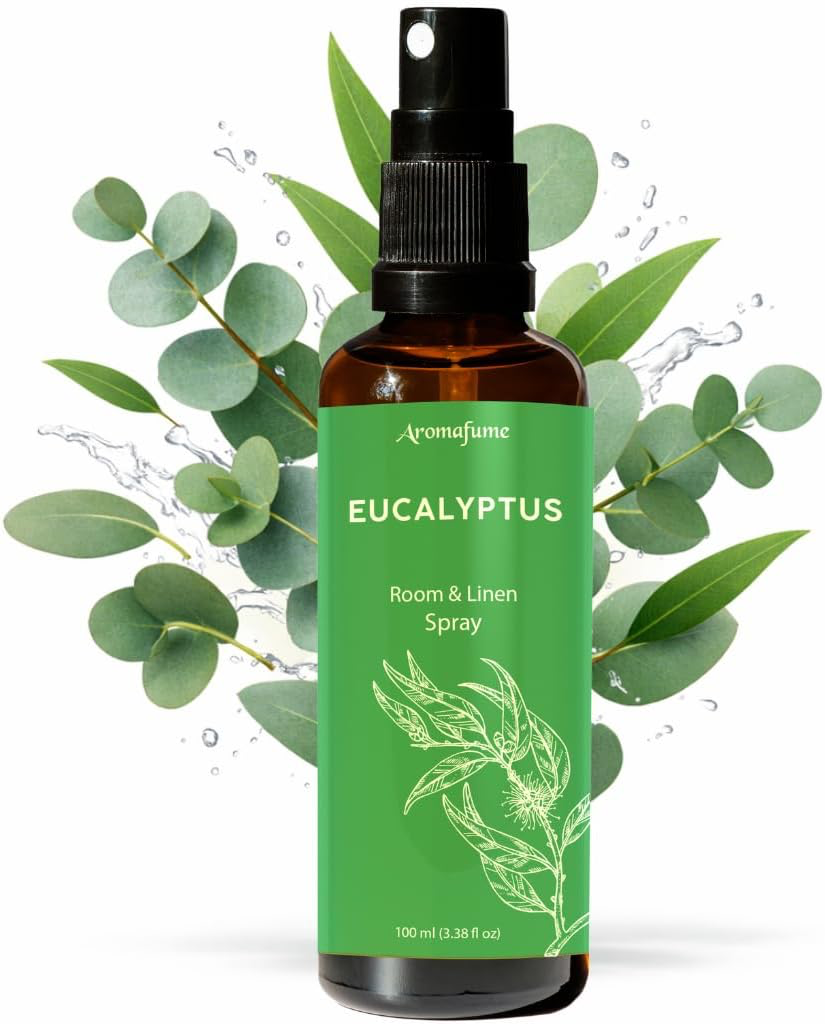
Pair scent with ventilation. Open a window when you can; run an extractor while cooking; wash textiles regularly so you are not fighting stale fabric with perfume. Diffusing clean essential oils is not a licence to ignore the source of smells—it is a gentler way to finish the job once the source is handled. That combination is how an eco-friendly home smells intentional rather than covered up.
Ready to freshen your eco-friendly home?
Explore pure essential oils, plant-based sprays, and thoughtful home essentials curated for cleaner air and calmer rooms.
Shop Eco Home Essentials3. Fix Your Energy Leaks
The greenest energy is the energy you do not waste. Before solar panels and smart thermostats, the quiet wins live in draughts, standby power, and inefficient lighting. British winters make heat loss expensive; summers make cooling and lighting habits matter too. An eco-friendly home treats wasted kilowatt-hours as a leak worth sealing.
Try this first: swap to LED bulbs. Quality LEDs use around seventy-five per cent less energy than traditional incandescent bulbs and last far longer, which means fewer replacements and less packaging in the bin. Warm-white LEDs keep living rooms cosy; brighter task lighting suits kitchens and desks. Replace the bulbs you use most—hallway, kitchen island, bedside lamps—before you tackle the loft.
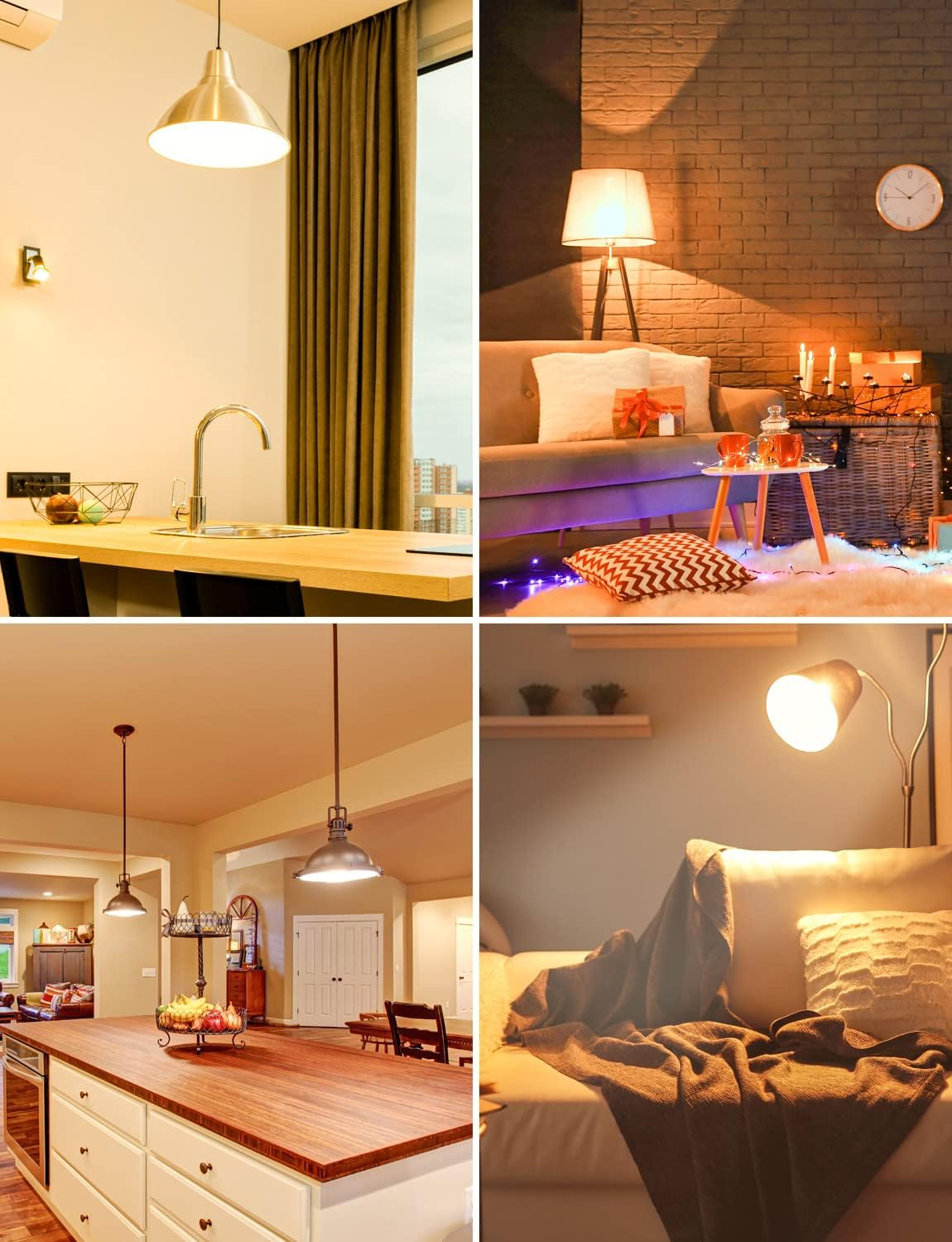
Warm, efficient light transforms how rooms feel—and what they cost to run.
Beyond bulbs, hunt the other leaks. Bleed radiators, close curtains at dusk in winter, and fit simple draught excluders on letterboxes and under doors. Unplug chargers that run warm when nothing is attached. Wash clothes at thirty degrees when soil levels allow. None of these steps is glamorous; all of them compound. Fixing energy leaks is one of the few eco upgrades that often pays you back on the next bill while making rooms feel more intentional and well lit.
4. Choose Better Textiles
Soft furnishings cover a surprising share of a home's material story: sheets, towels, curtains, throws, and upholstery. Fast fashion for the home churns through polyester blends that shed microplastics and wear out quickly. Choosing better textiles—bamboo, eucalyptus (often as lyocell), hemp, and organic cotton—anchors an eco-friendly home in fibres that feel better against skin and usually age with more dignity.
Bamboo bedding is prized for breathability and a cool-to-touch hand-feel that helps hot sleepers rest more deeply. Eucalyptus lyocell offers a silky drape with strong moisture management when produced in closed-loop systems. Hemp is tough, long-wearing, and thrives with relatively low agricultural intensity. Organic cotton reduces pesticide load compared with conventional cotton and remains a familiar, breathable classic for towels and everyday bedding.

Better textiles mean cooler nights, fewer replacements, and a lighter footprint on the land.
You do not need to replace every textile this month. When a duvet cover frays or towels go thin, upgrade one set at a time. Wash on gentle cycles, skip heavy softeners that coat fibres, and air-dry when weather allows. Better textiles in an eco-friendly home are not only about origin stories—they are about longevity, comfort, and refusing the throwaway cycle that fills landfills with last year's “bargain” bedding.
5. Shop With a Second Life in Mind
Before you buy, ask: can I refill it, repair it, or recycle it? That single question filters out a remarkable amount of clutter and waste. A glass bottle of cleaner you can refill beats a plastic trigger spray destined for landfill. A lamp with a replaceable LED bulb beats a sealed unit you bin when it fails. Furniture with screws you can tighten outlasts glued particleboard that collapses after one move.
Second-life thinking also includes buying less often and buying used when quality allows—charity-shop ceramics, refurbished electronics, timber pieces that can be sanded and oiled. When something must be new, favour brands that publish repair guides, spare parts, or take-back schemes. Packaging counts too: cardboard and glass are easier to process in UK recycling streams than mixed plastic films.
An eco-friendly home is not anti-shopping; it is anti-disposable. Every purchase is a vote for the kind of supply chain you want to fund. Train the habit at the basket, not only at the recycling bin. The bin is the last chance. The first chance is the decision not to bring something home that has nowhere useful to go when its first life ends.
Where to Start Today
Pick one room. For most people, it is the living room or bedroom— the spaces you inhabit longest and notice most. Diffuse a clean essential oil, change two light bulbs to LED, and swap one cleaner for a plant-based one. That is a transformed home in under an hour: fresher air, lower running costs, and a cupboard that already leans greener.
Tomorrow you can add a better textile when something needs replacing, or choose the next purchase with refill and repair in mind. Momentum matters more than mastery. Five first steps, taken honestly, build an eco-friendly home that feels lived-in and light—not perfect, but meaningfully better, and ready for the next small improvement.
Diffuse clean scent
Pure oils, not synthetic fog
Swap two LEDs
About 75% less energy used
One plant cleaner
Kinder air and drains
Build Your Eco-Friendly Home, One Step at a Time
Browse essentials that support cleaner air, smarter energy use, and thoughtful materials—practical picks for a home that actually makes a difference.