Eco-Friendly Fabrics
Bamboo, Eucalyptus, Hemp & Organic Cotton
The real differences between four leading eco-friendly fibres—how they feel, how they treat the climate, and why they matter for sensitive skin.
Choosing bedding or towels is no longer only about thread count and colour. Climate change has pushed fibre origin into the spotlight, and skin sensitivity has made hand-feel a health question as much as a comfort one. Four names dominate the eco-friendly conversation: bamboo, eucalyptus, hemp and organic cotton. They are not interchangeable. Each plant grows differently, each fibre behaves differently against the skin, and each carries a distinct climate story from field to fabric.
This guide sets out the main properties of each material and why it earns a place in a lower-impact wardrobe or linen cupboard—so you can match the right textile to the way you sleep, wash and live.
Bamboo: Soft, Cooling and Rapidly Renewable
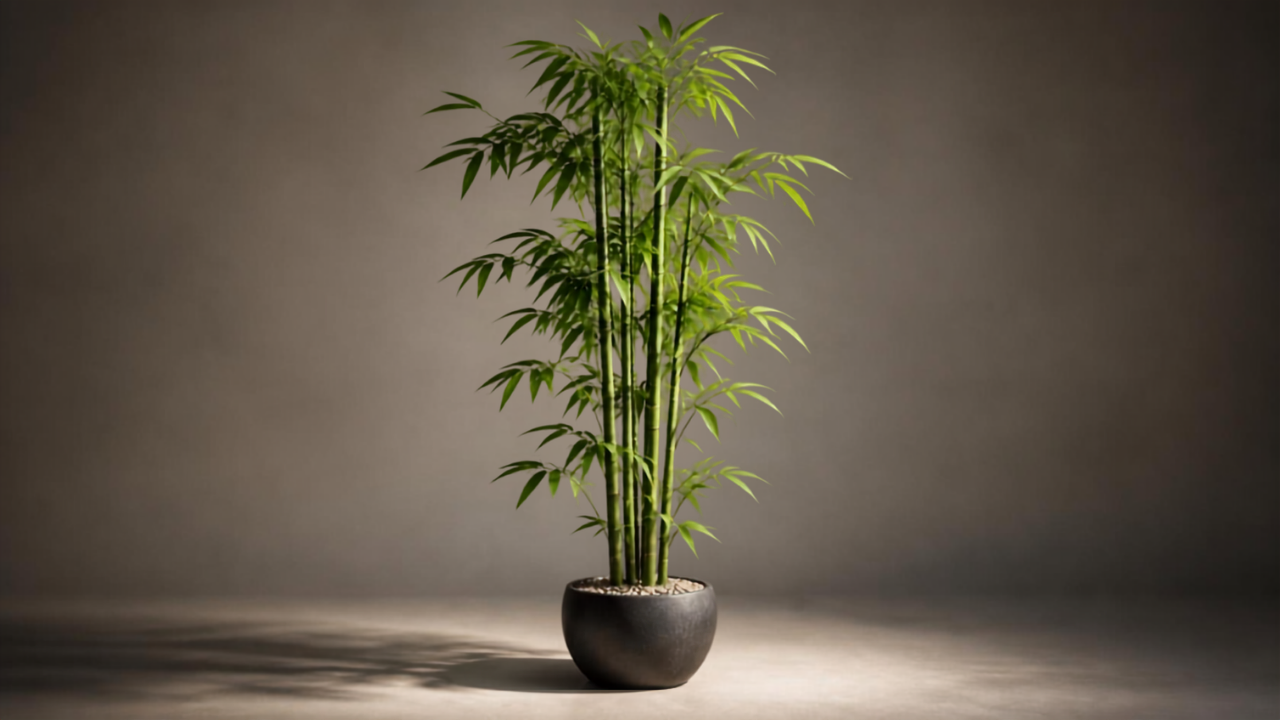
Bamboo is a grass, not a tree, and that distinction matters for climate change. Many species grow astonishingly fast—sometimes more than a metre in a day under ideal conditions—so harvests can return without the decades timber needs. Roots stay in the ground after cutting, holding soil, limiting erosion and allowing the stand to regenerate. Once established, bamboo often needs less irrigation than conventional cotton and far fewer pesticides, because the plant is naturally resilient. Dense growth also sequesters carbon efficiently relative to slower woody crops, which is why bamboo features so often in discussions of climate-friendlier textiles.
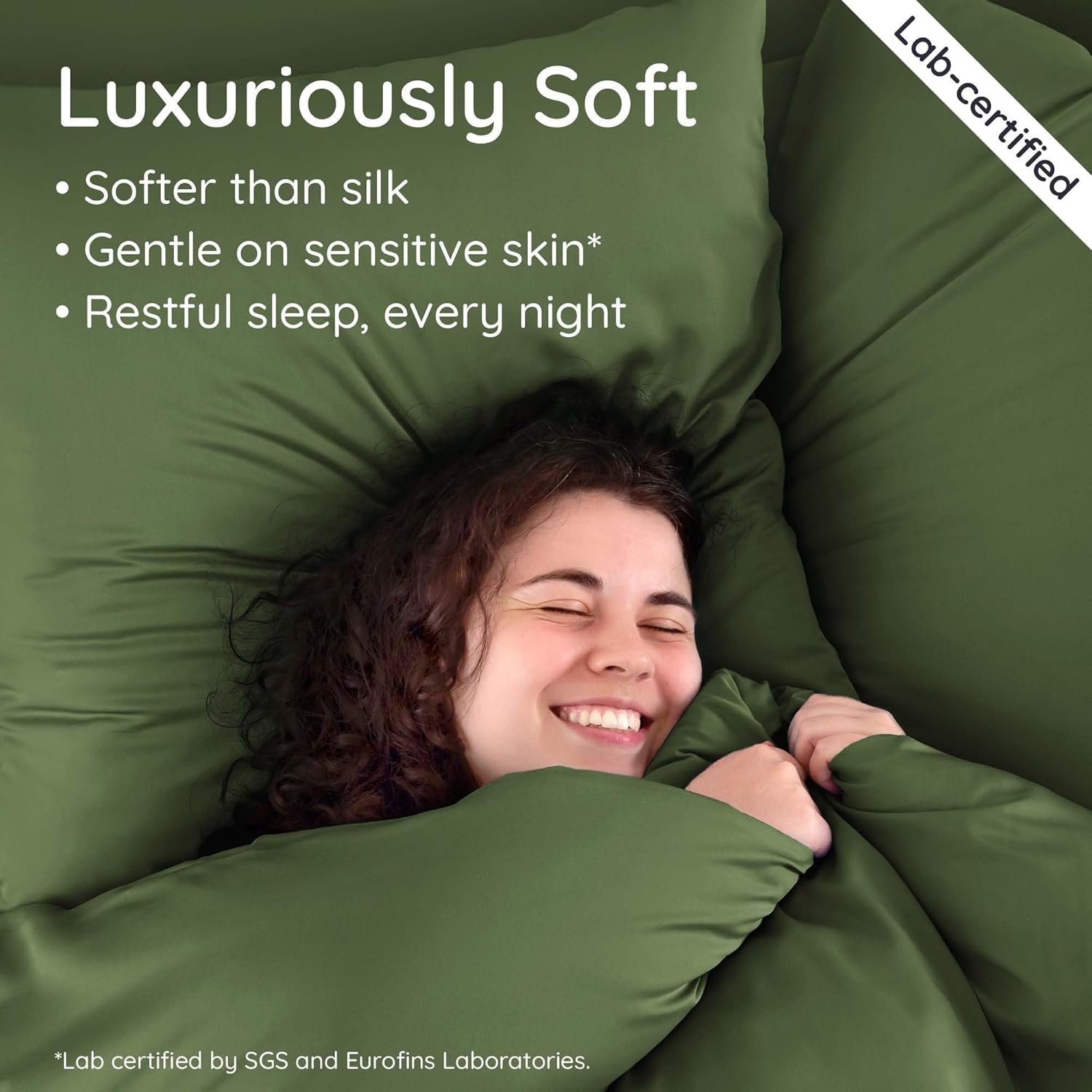
As fabric—usually bamboo viscose or lyocell—the fibre is known for a silky, cool hand-feel. Moisture wicking and breathability help hot sleepers stay drier through the night. The smooth surface is frequently gentler on sensitive skin than coarser weaves, reducing friction that can aggravate redness or irritation. Hypoallergenic leanings and a tendency to resist dust mites make bamboo bedding a practical choice for allergy-prone households seeking eco-friendly comfort without a stiff, hotel-starch finish.
Transparency still matters. Older viscose processes can be chemical-heavy; closed-loop systems recover more solvents and lower the footprint. Look for clear labelling and reputable certifications. When those boxes are ticked, bamboo offers a rare blend: renewable feedstock, climate-aware growth, and night-time softness that sensitive skin often welcomes.
Eucalyptus: Silky Lyocell with a Closed-Loop Story
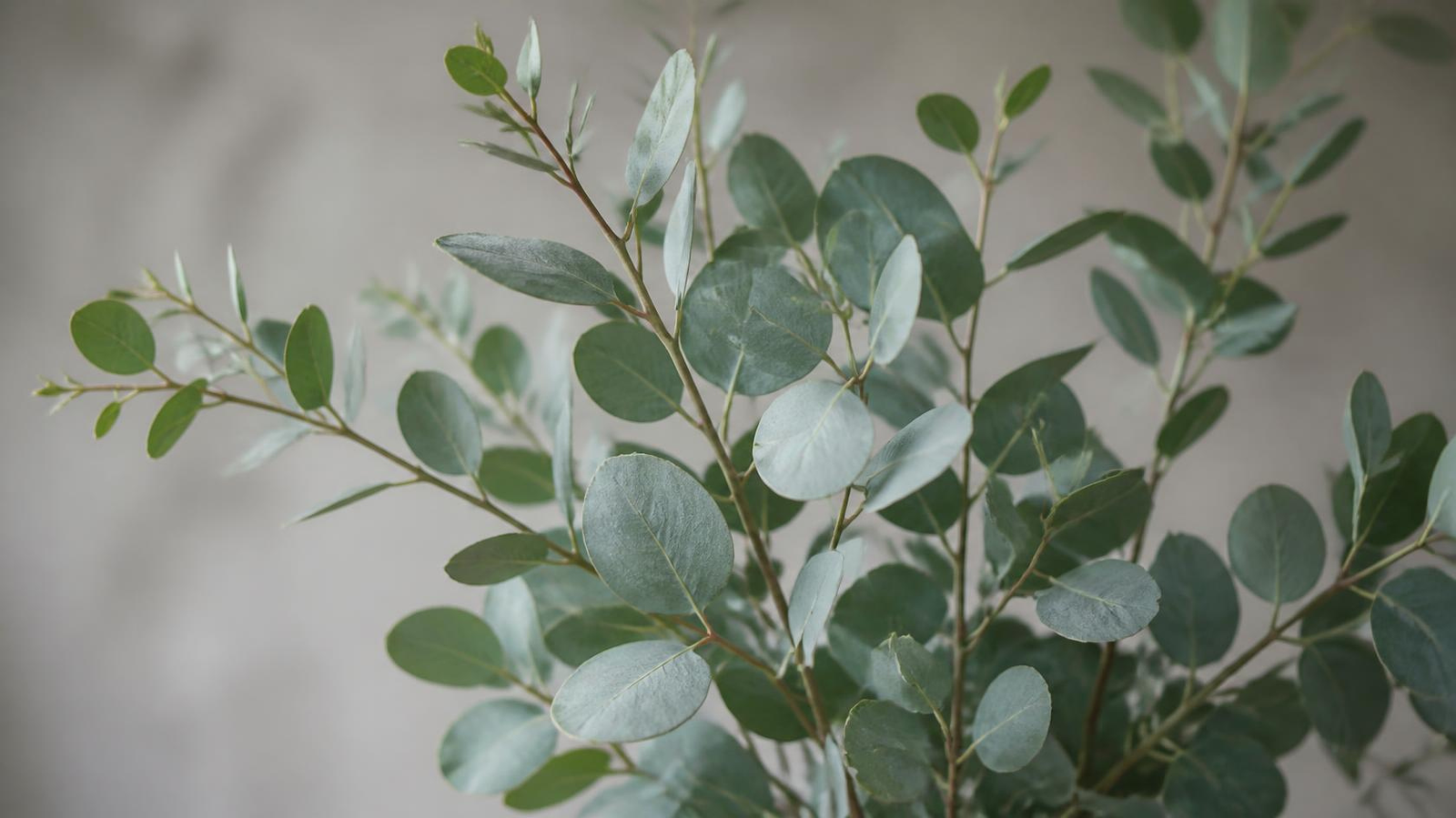
Eucalyptus fibre usually reaches the home as lyocell (sometimes sold under brand names such as Tencel). The wood pulp comes from trees that grow quickly on land often unsuitable for food crops, and well-managed plantations can avoid competing with agriculture. From a climate-change perspective, the standout is process as much as plant: modern lyocell production runs in a closed loop, recovering the vast majority of water and solvent so far less waste enters rivers and air than older rayon methods. That efficiency is a genuine eco-friendly advantage when brands publish their recovery rates.
On the body, eucalyptus lyocell feels fluid and cool—smooth enough for people with skin sensitivity who find traditional cotton slightly scratchy. Excellent moisture management pulls dampness away from the skin, which supports calmer sleep and can reduce the clammy microclimate that aggravates eczema-prone or reactive skin. The drape is elegant without bulk, so duvet covers and sheets hang cleanly in minimalist bedrooms while remaining breathable year-round.
Durability is strong when washed on gentle cycles with mild detergent. Colour holds well, and the fibre ages with a soft lustre rather than a harsh break-in period. Choose FSC-linked or otherwise certified wood sources where possible, and prefer makers who state closed-loop credentials. Eucalyptus then becomes one of the most coherent answers to both climate-conscious shopping and everyday comfort for sensitive skin.
Closed-loop processing
High solvent and water recovery
Silky, cool drape
Low friction for reactive skin
Strong moisture control
Helps sleepers stay dry
Plantation-grown pulp
Often on non-food land
Ready to choose a softer, lower-impact fibre?
Explore sustainable linen options that bring breathable comfort and thoughtful materials into your home.
Explore sustainable linenHemp: Tough, Low-Input and Built to Last
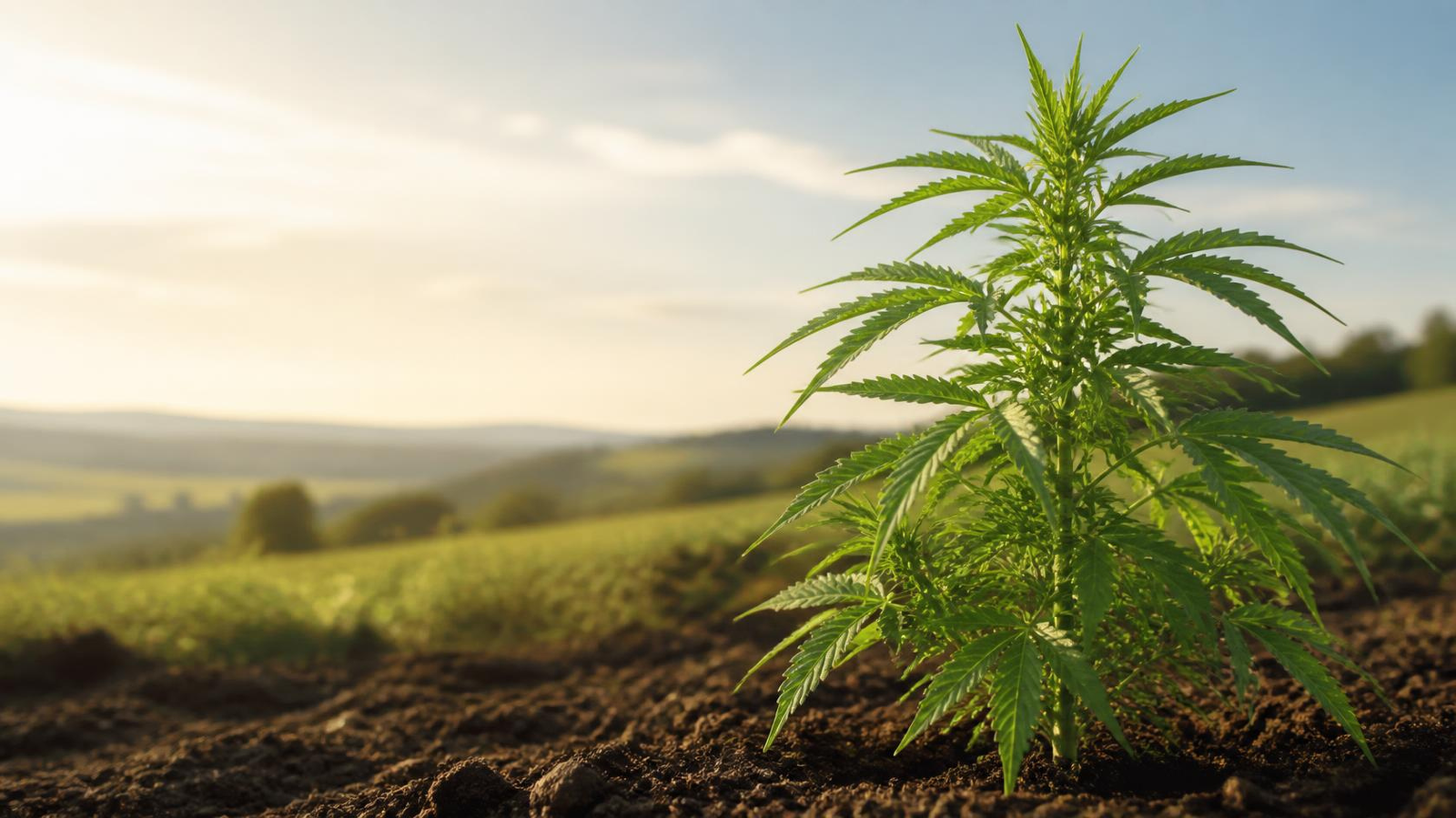
Industrial hemp is one of the oldest textile crops and one of the most efficient for climate-minded farming. It grows densely in a short season, often with minimal pesticide need, and its deep roots improve soil structure while suppressing weeds. Hemp can thrive in varied climates and typically demands less water than conventional cotton. The plant also absorbs carbon dioxide rapidly during growth, which strengthens its case in any serious conversation about textiles and climate change. After harvest, almost every part of the plant can be used—fibre, hurd, seed—so waste is low when supply chains are well organised.
As fabric, hemp is celebrated for strength and longevity. Early hand-feel can be more textured than bamboo or eucalyptus, yet quality hemp softens beautifully with washing and wear. That durability means fewer replacements over a decade—an eco-friendly win that is easy to overlook when shopping only for first-touch softness. Blends with organic cotton or softer cellulosics balance structure with comfort for bedding and apparel.
For skin sensitivity, pure coarse hemp may not be the first choice next to very reactive faces, but well-finished, finer hemp and hemp-rich blends are breathable, temperature-regulating and free from many of the finishes that irritate. People who run warm often appreciate hemp's airy character in summer and its insulating qualities in cooler months. If your priority is a textile that works hard for the climate and lasts, hemp is difficult to beat.
Organic Cotton: Familiar Comfort, Cleaner Fields
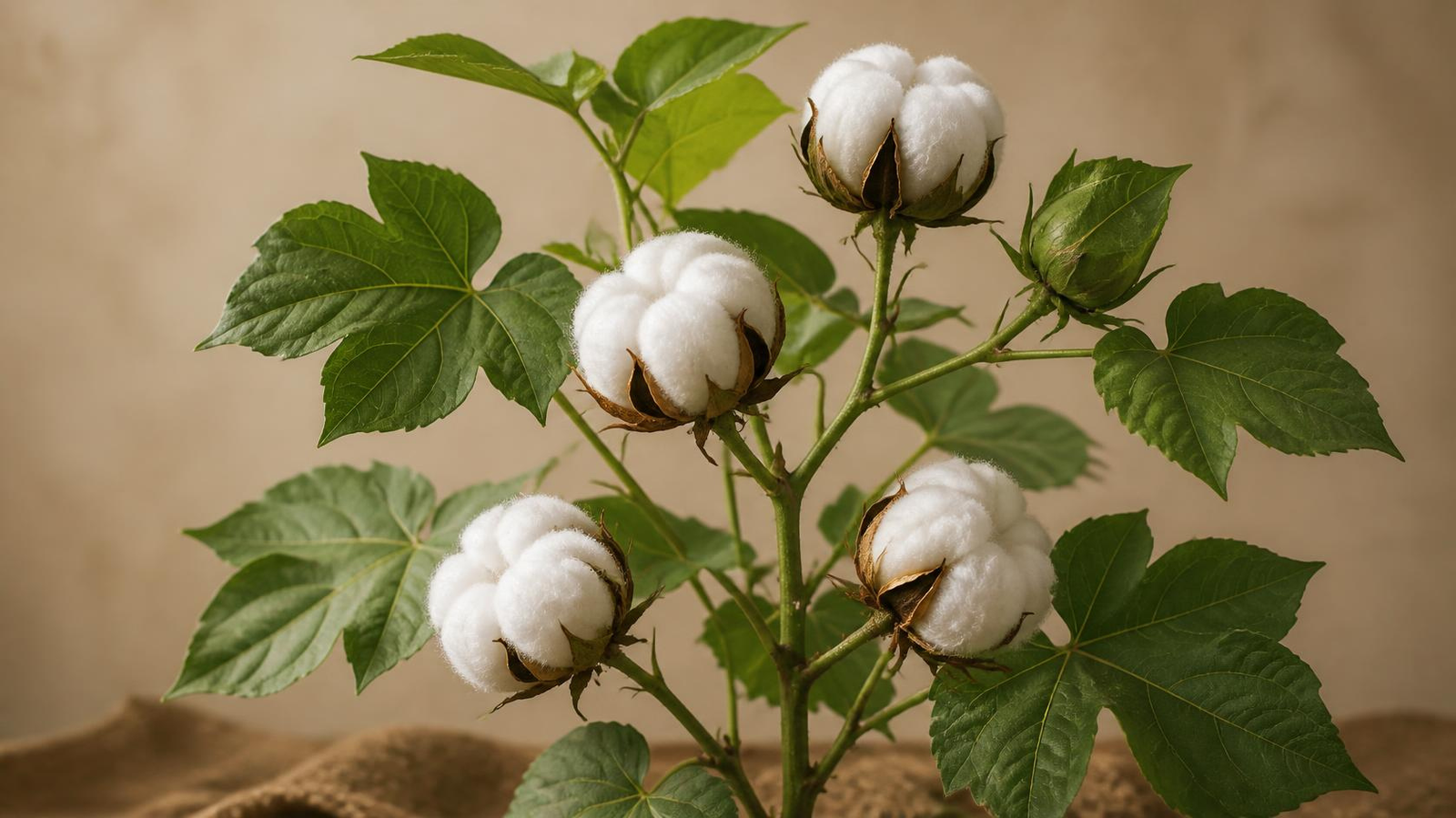
Cotton remains the world's most familiar natural fibre—and conventional cotton farming has long been linked to heavy pesticide use, intensive irrigation and soil stress. Organic cotton flips that script. It is grown without synthetic pesticides and fertilisers, relying on crop rotation, biological pest control and healthier soil biology. Those practices cut chemical runoff into waterways, support biodiversity and reduce the farm-level contribution to climate pressures associated with synthetic inputs. Water use still varies by region, yet organic systems often improve soil moisture retention, which can ease irrigation demand over time.
On the body, organic cotton feels like the cotton you already know: breathable, absorbent and reliably soft, especially in percale or sateen weaves for bedding and looped terry for towels. For skin sensitivity, the absence of many residual agrochemicals is a meaningful benefit. People who react to heavily finished or fragrance-laden textiles often settle more comfortably into certified organic cotton sheets and towels, particularly when dyes and finishes are also low-impact. It is the safest “known quantity” for households that want eco-friendly linen without learning a new hand-feel.
Look for GOTS or equivalent certification so organic claims cover both field and processing. Pair organic cotton with cooler fibres such as bamboo or eucalyptus if you need extra thermoregulation, or keep a pure cotton set for guests who prefer classic crispness. Against climate change, organic cotton is not a silver bullet—yields can be lower and land use still matters—but it is a clear upgrade on conventional cotton and a trustworthy foundation for an eco-friendly home.
Which Fibre Should You Choose?
If you sleep hot and want liquid-soft bedding that is gentle on sensitive skin, start with bamboo or eucalyptus lyocell. If you want maximum durability and a strong climate story from the field, lean into hemp—alone or blended. If you prefer a classic cotton feel with cleaner farming, choose certified organic cotton. Many eco-friendly homes mix them: eucalyptus sheets for summer, organic cotton towels, a hemp throw that will outlast trends.
Climate change will not be solved by one duvet cover, yet every fibre choice either rewards regenerative, lower-input agriculture or props up wasteful systems. Skin sensitivity makes the decision personal: the best eco-friendly fabric is the one you will actually sleep under, wash carefully and keep for years. Match properties to your climate, your skin and your values—and let bamboo, eucalyptus, hemp and organic cotton each do what they do best.
Explore Eco-Friendly Home Linen
Browse sustainable bedding and bathroom essentials chosen for comfort, climate-conscious materials and everyday living.
Explore sustainable home linen